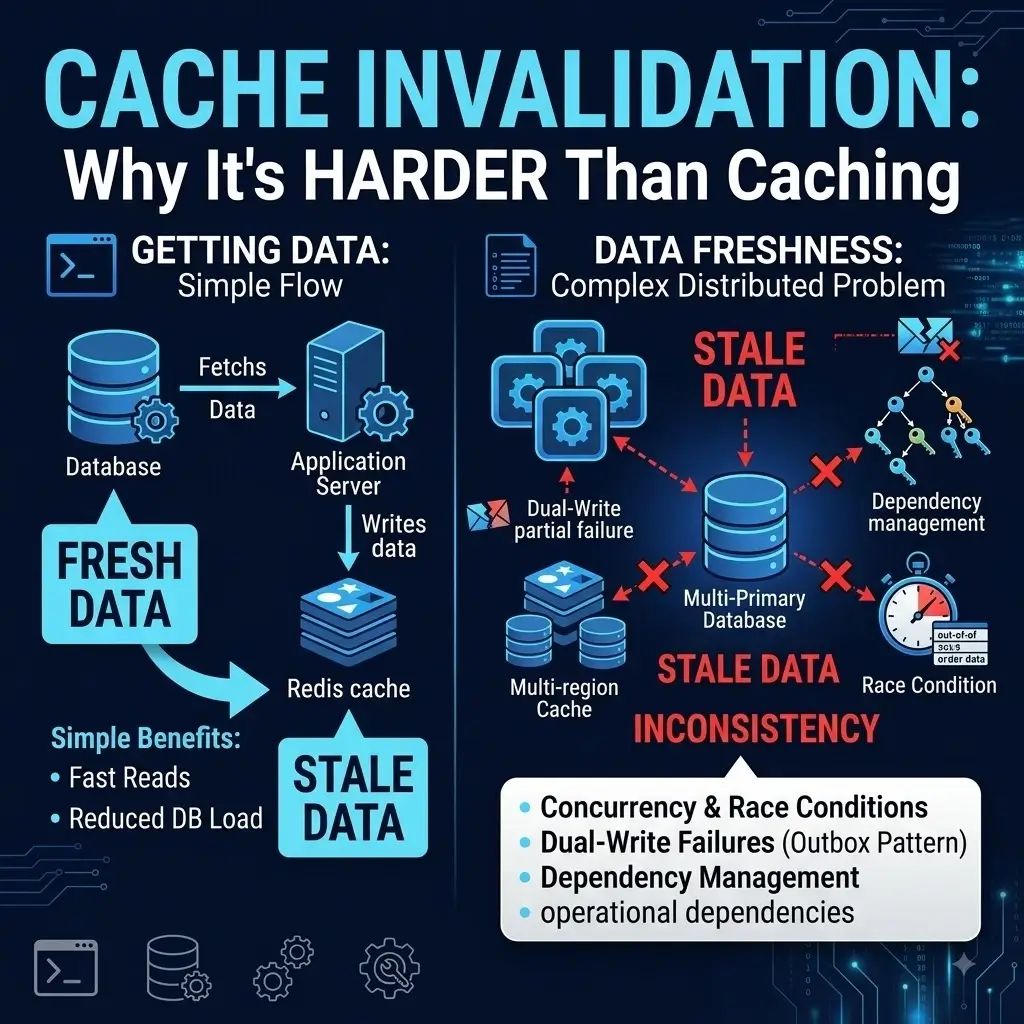
Why Cache Invalidation Is Harder Than Caching
Adding a cache to a backend system is one of the most satisfying performance improvements an engineer can make. The change is often small – point your application at Redis,

Adding a cache to a backend system is one of the most satisfying performance improvements an engineer can make. The change is often small – point your application at Redis,
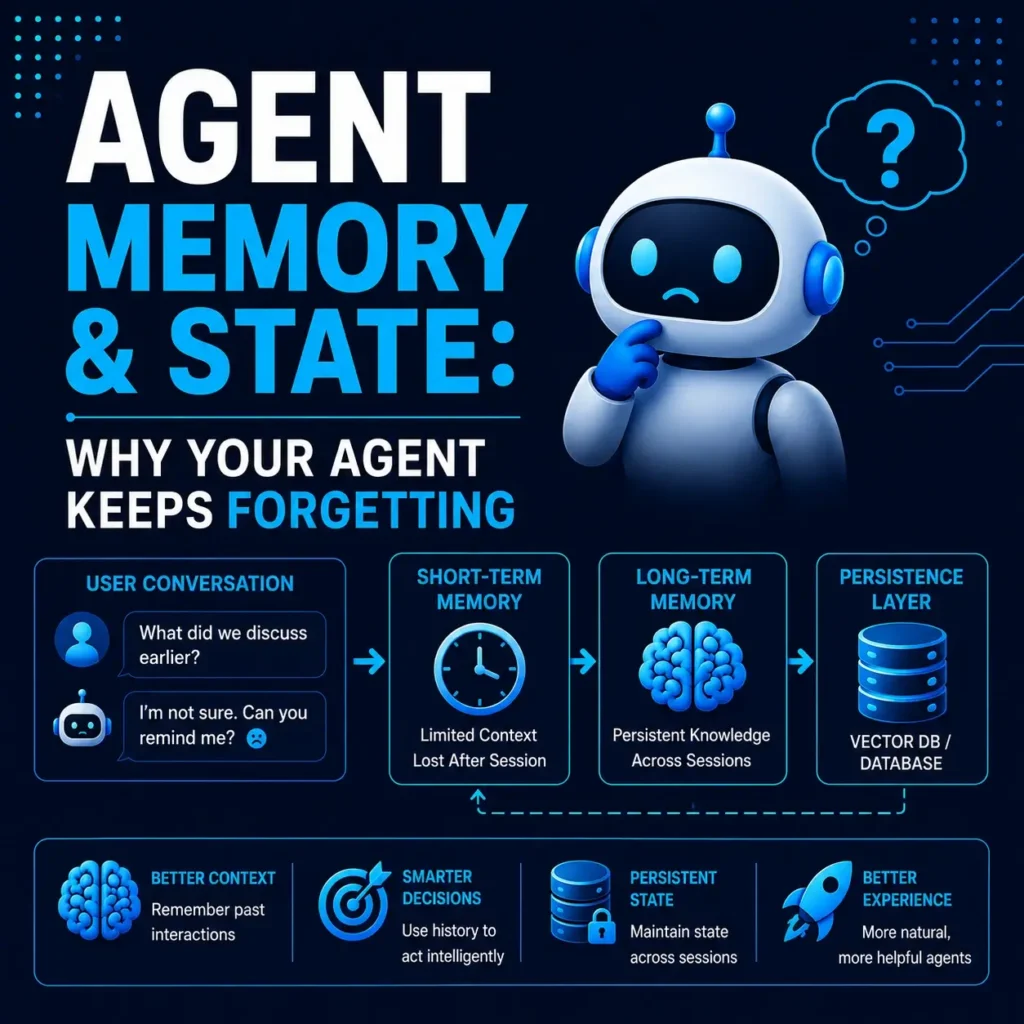
A supervisor and its specialists can route perfectly and still fail, if none of them remember what happened five minutes or five sessions ago.
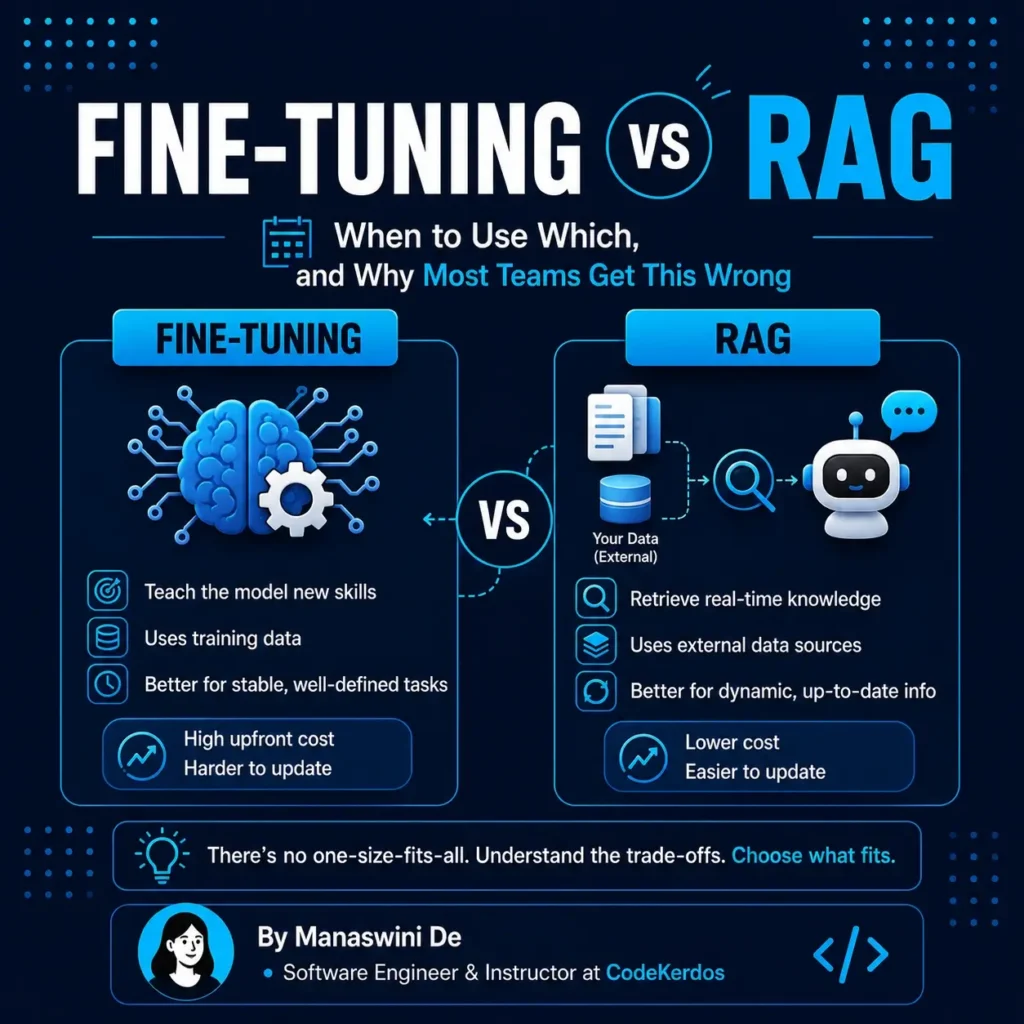
The meeting had been going on for forty minutes and Siddharth was starting to feel uneasy.
His company was building an internal legal assistant. Lawyers would ask it questions about case law, contract clauses, and regulatory filings. The product team had done their research. The design was solid. The retrieval pipeline was working in staging. Everything looked good.
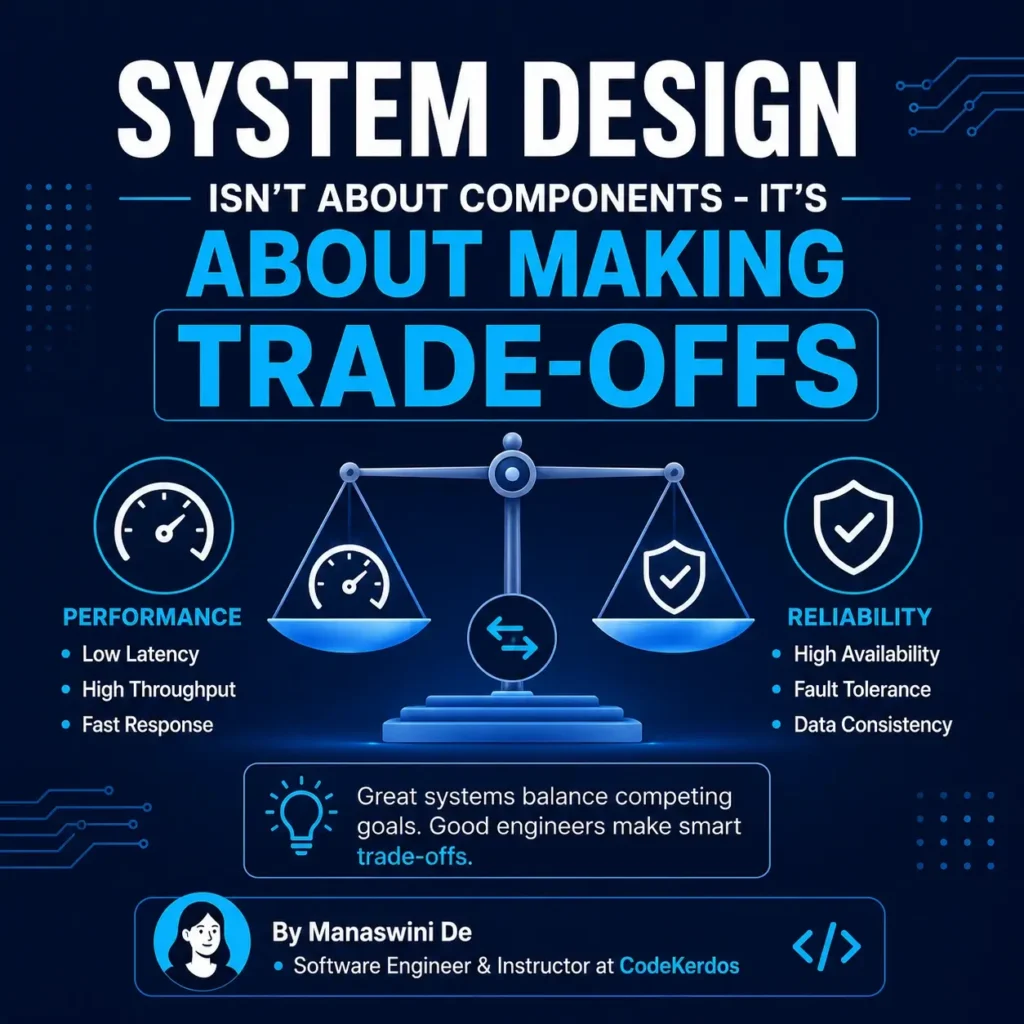
Spend a few weeks studying System Design and you’ll start noticing a familiar cast of characters in every architecture diagram
Imagine you’re ordering a new phone online. You complete checkout, enter your payment details, and click Pay Now. The button spins for a few seconds. No confirmation appears. Thinking the payment didn’t go through, you click again.
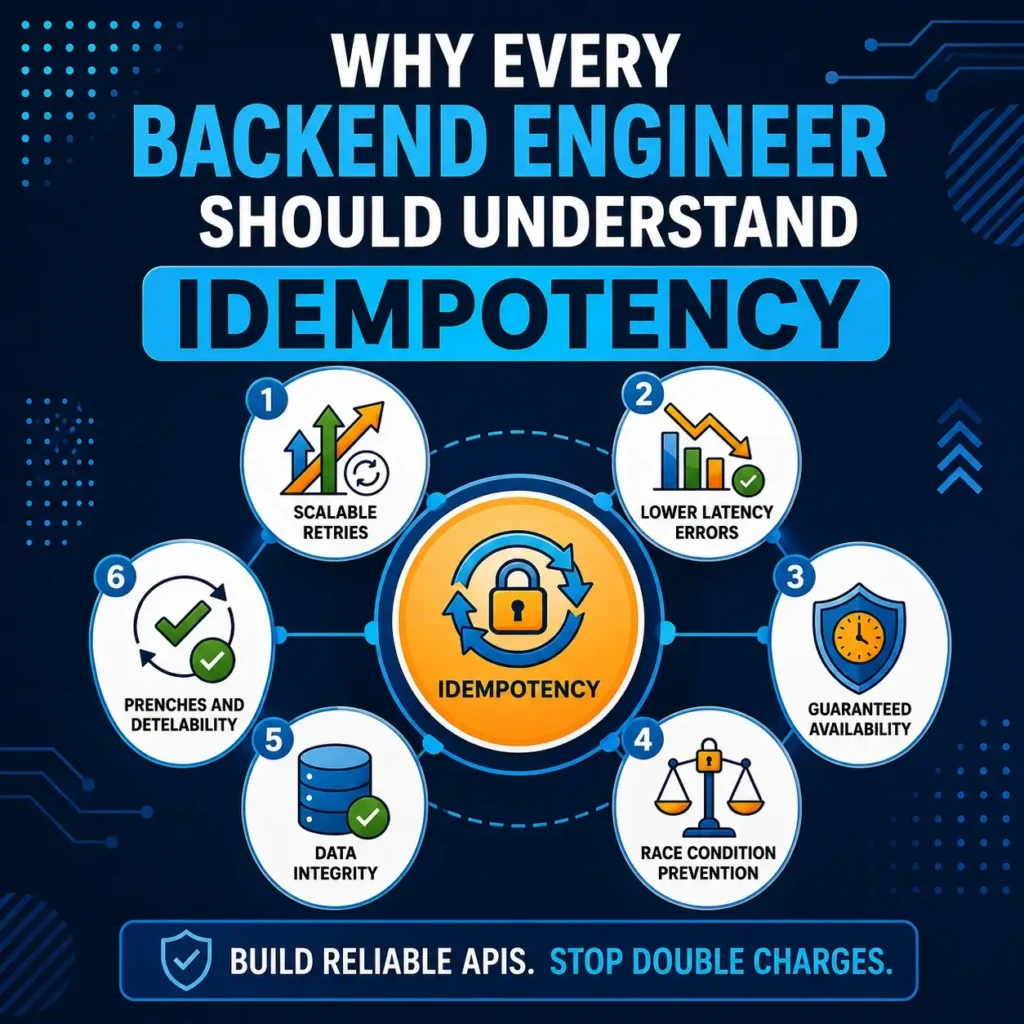
Imagine you’re ordering a new phone online. You complete checkout, enter your payment details, and click Pay Now. The button spins for a few seconds. No confirmation appears. Thinking the payment didn’t go through, you click again.
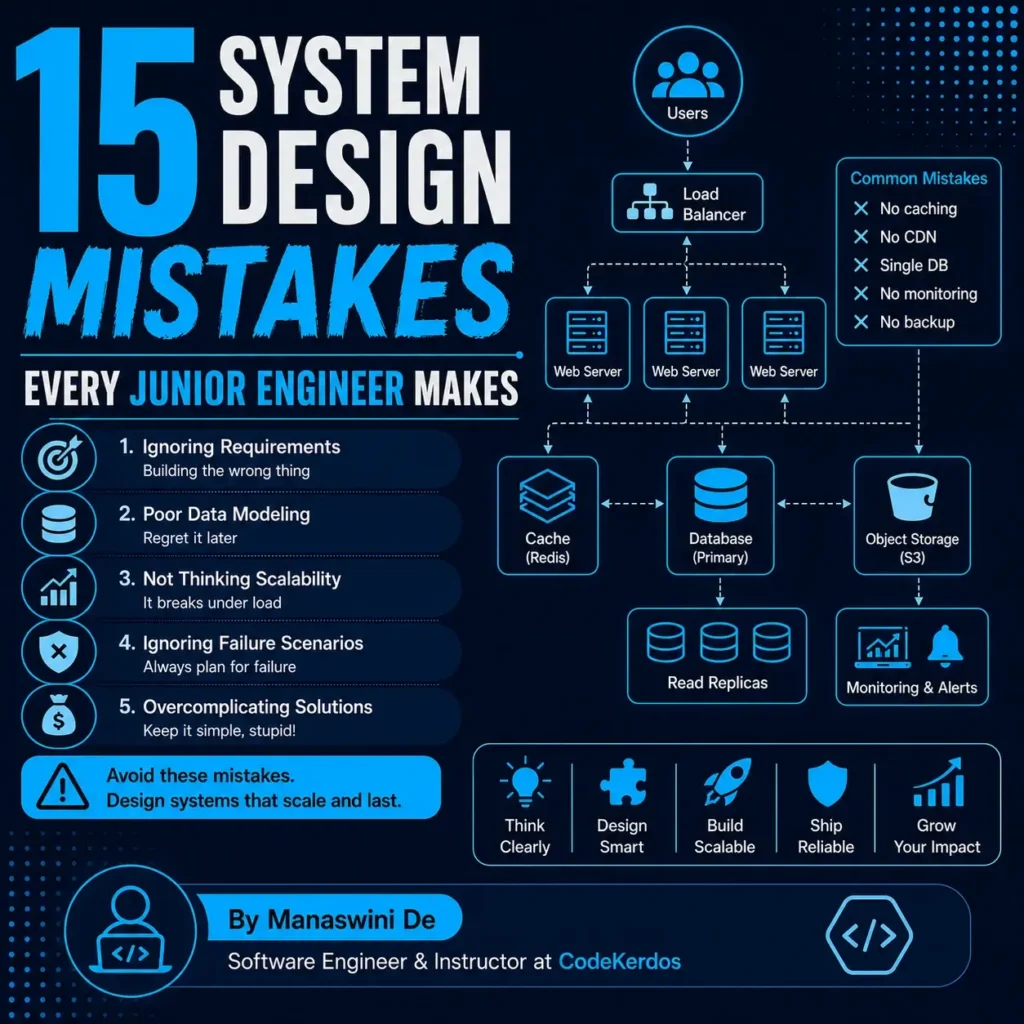
Open any System Design resource and you will see the same pattern: a question like ‘Design a URL Shortener’ quickly becomes a canvas filled with Kafka, Redis, API Gateways, Load Balancers, Kubernetes, CDNs, and half a dozen databases.
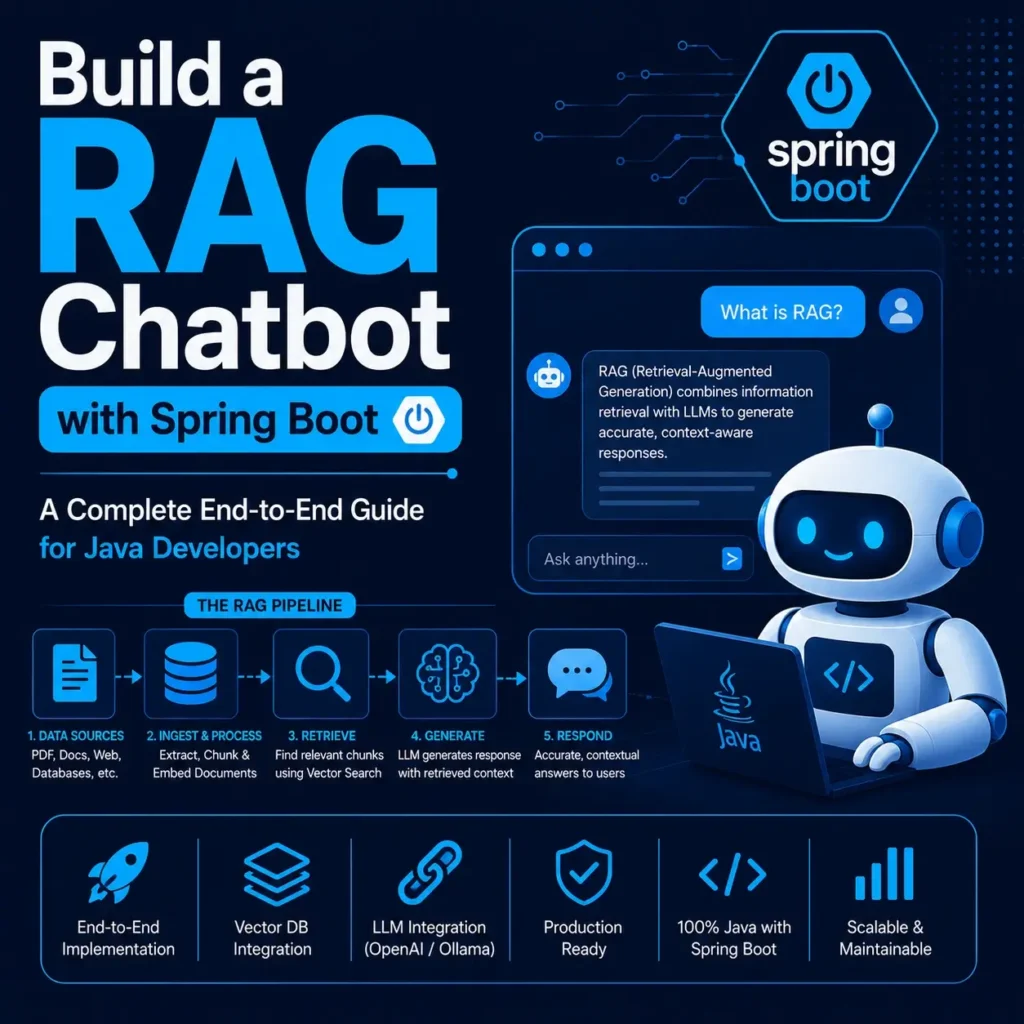
Vikram had read every article he could find about RAG.
He understood the concept. He could explain embeddings at a whiteboard. He knew what a vector store was, how chunking worked, and why retrieval quality depended so heavily on how you split your documents.
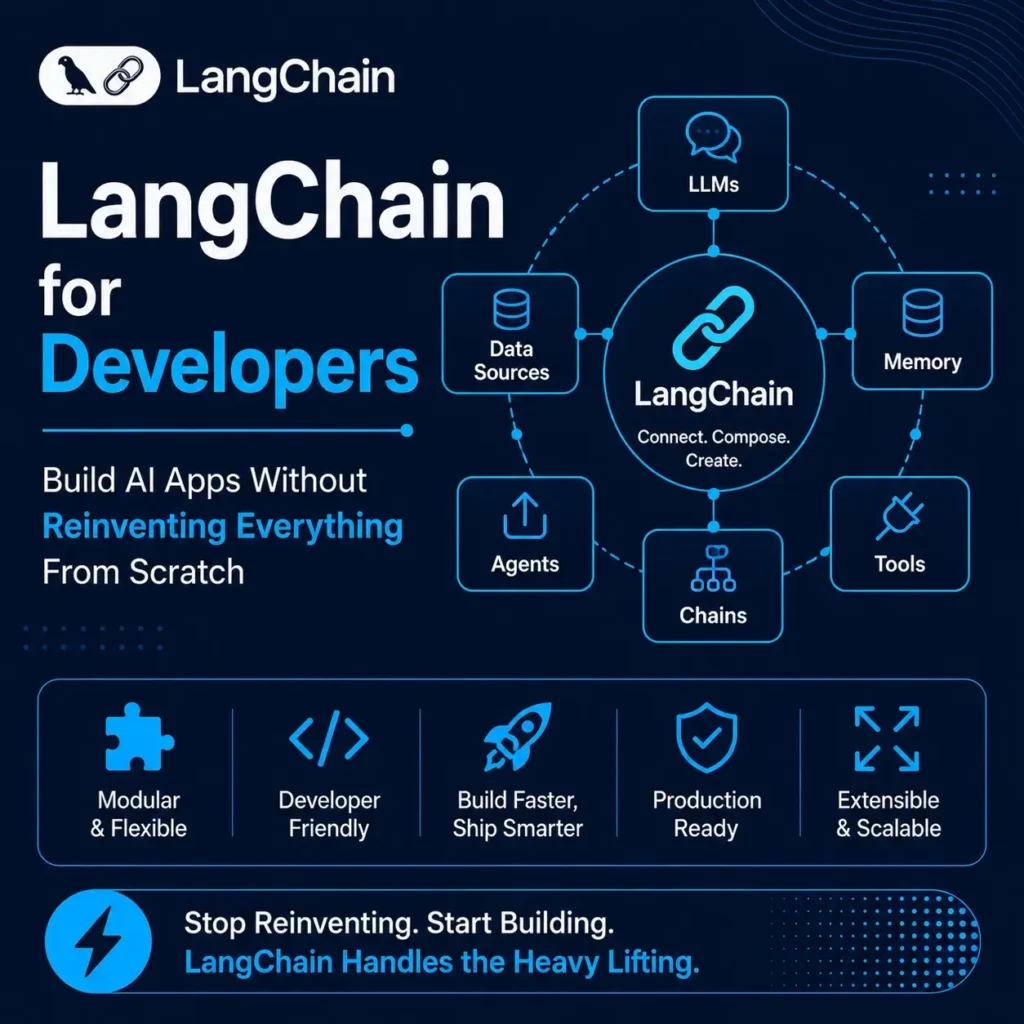
Arjun had been working on the same AI feature for three weeks.
It started simple enough. His team wanted a chatbot that could answer questions about their product documentation.

It’s 11:40 PM. Aditya is showing his manager the new AI assistant he built. “Ask it anything,” he says.
His manager types: “What were our total sales last week, and email the summary to the finance team.”