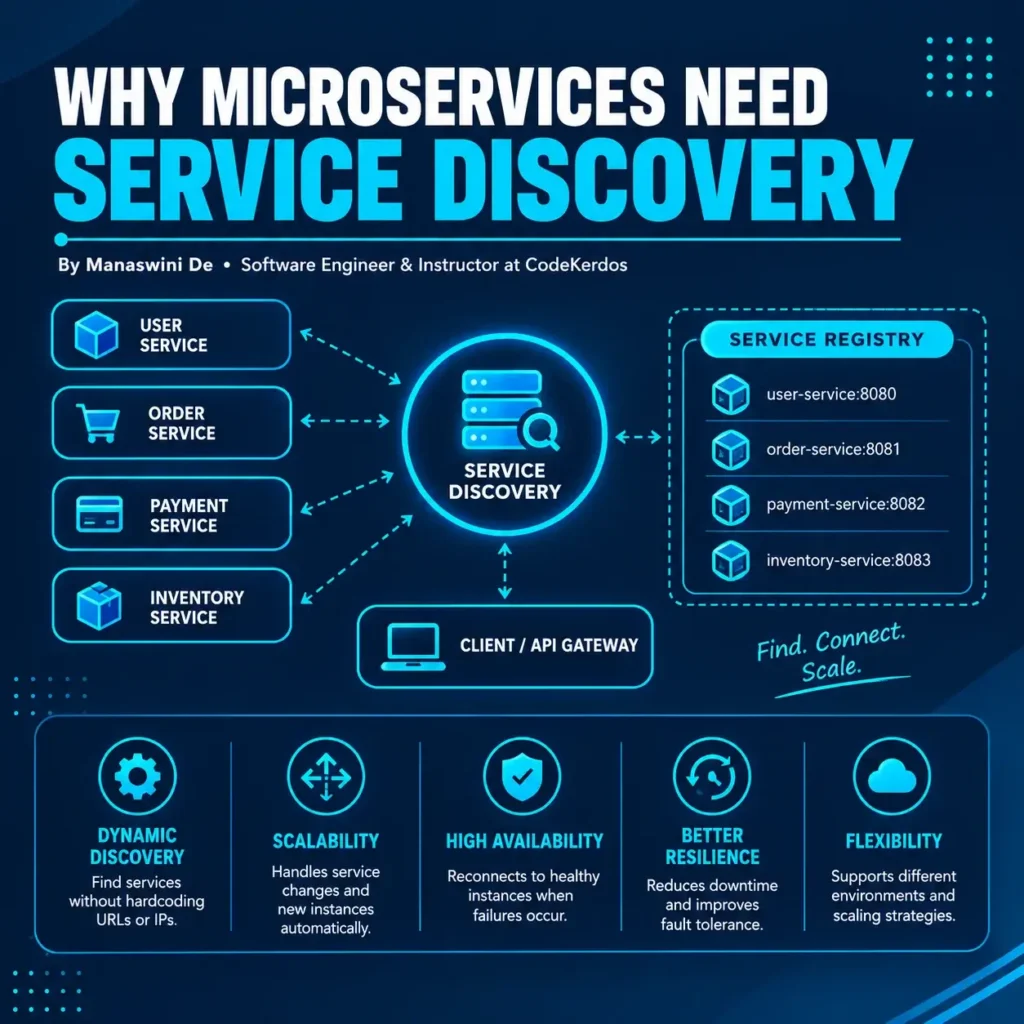
Why Microservices Need Service Discovery
A monolith doesn’t need to ask where its own functions live – they’re all compiled into the same process, at the same address, forever.

A monolith doesn’t need to ask where its own functions live – they’re all compiled into the same process, at the same address, forever.
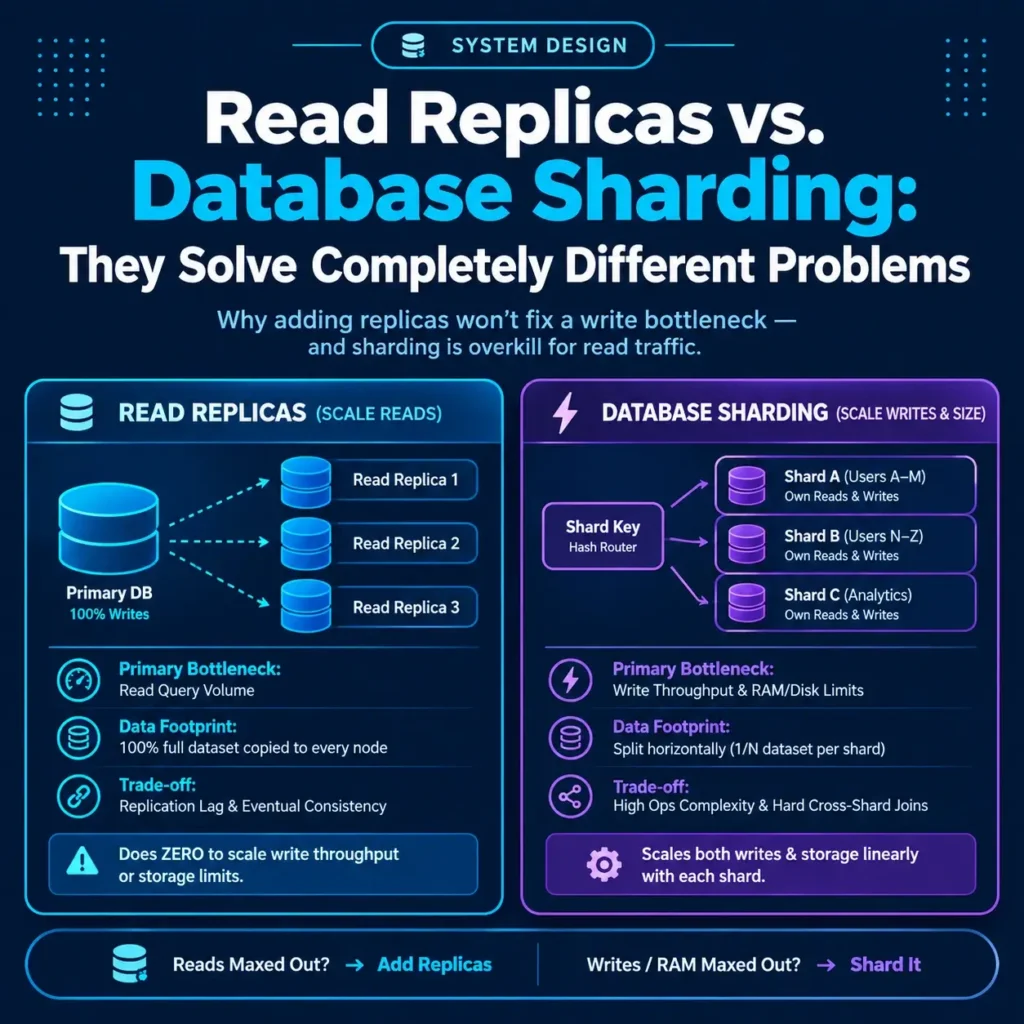
“Our database is struggling, so let’s add read replicas” and “Our database is struggling, so let’s shard it” get thrown around in design interviews and architecture reviews almost interchangeably – as if they were two flavors of the same fix. They aren’t.

Something has changed in the way we talk to AI.
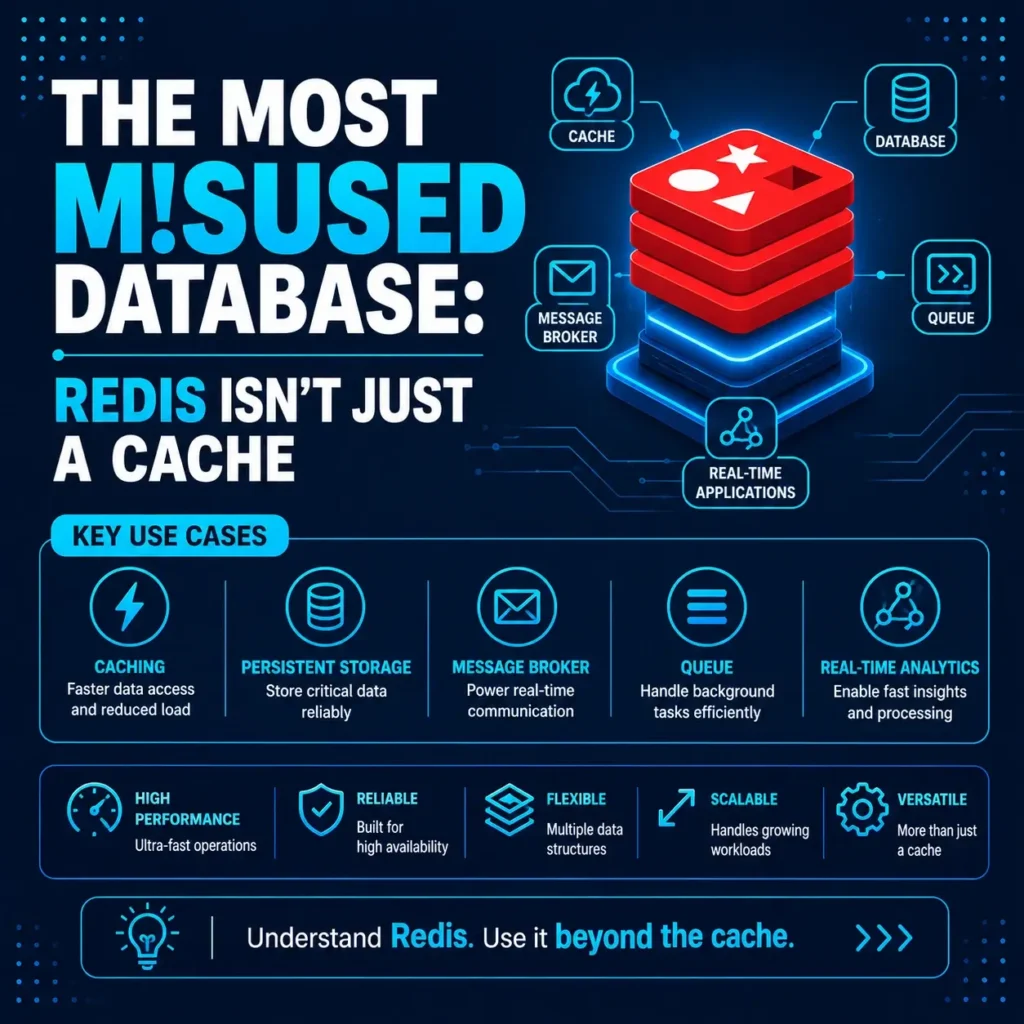
The data structure server hiding behind your caching layer – and where it quietly does its best work
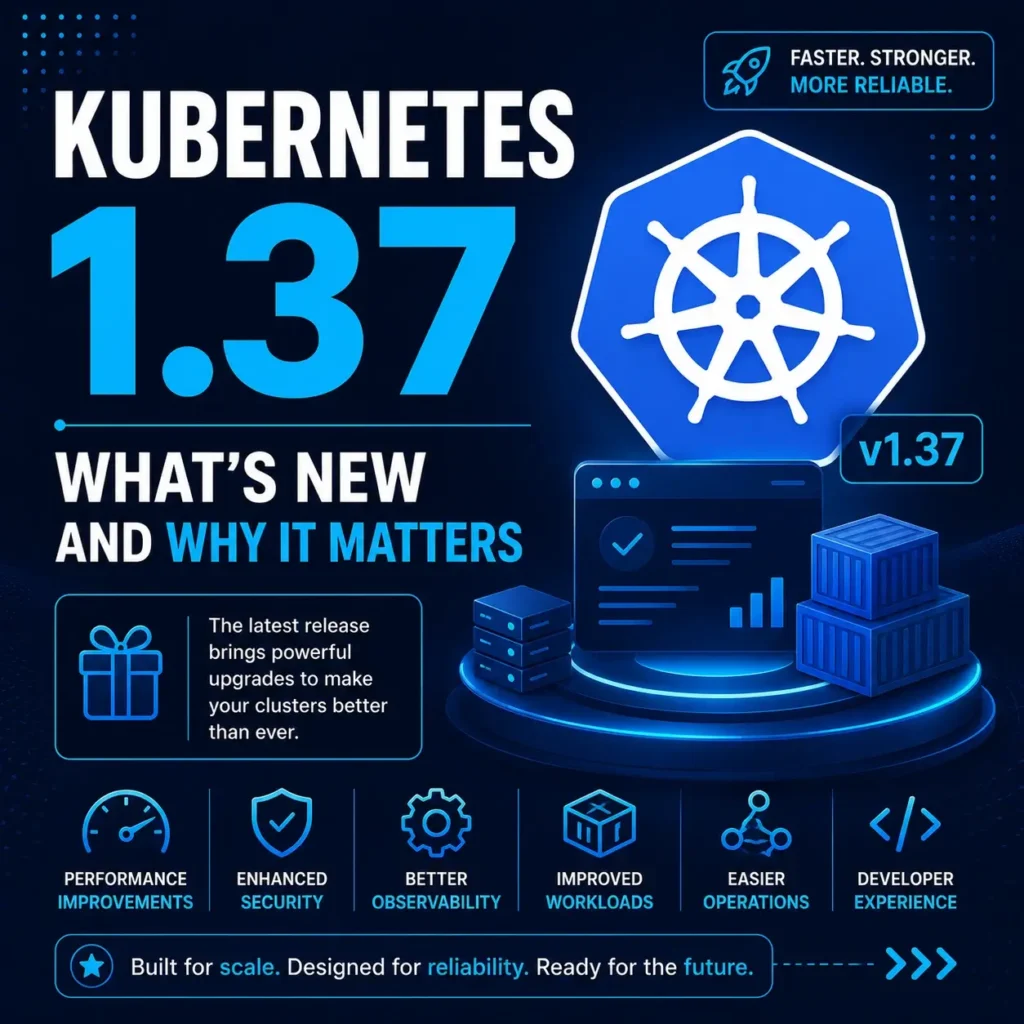
Kubernetes 1.37 represents a significant convergence of improvements built on real production experience. Learn what changed from 1.35 through 1.36 to reach this release, understand the actual breaking changes, and discover why this release matters for your infrastructure.
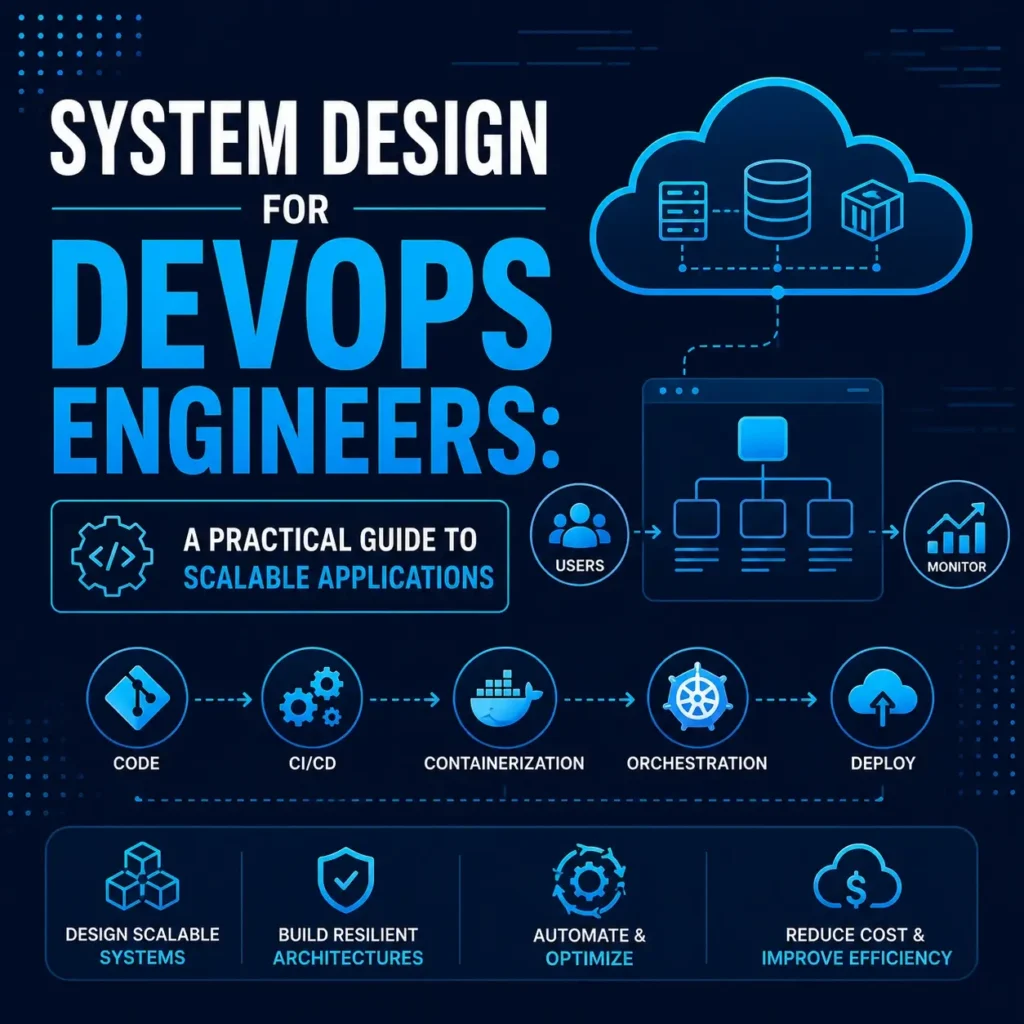
If you are a DevOps engineer, there is a good chance that you already know more about system design than you think.
You have probably configured a load balancer at some point.
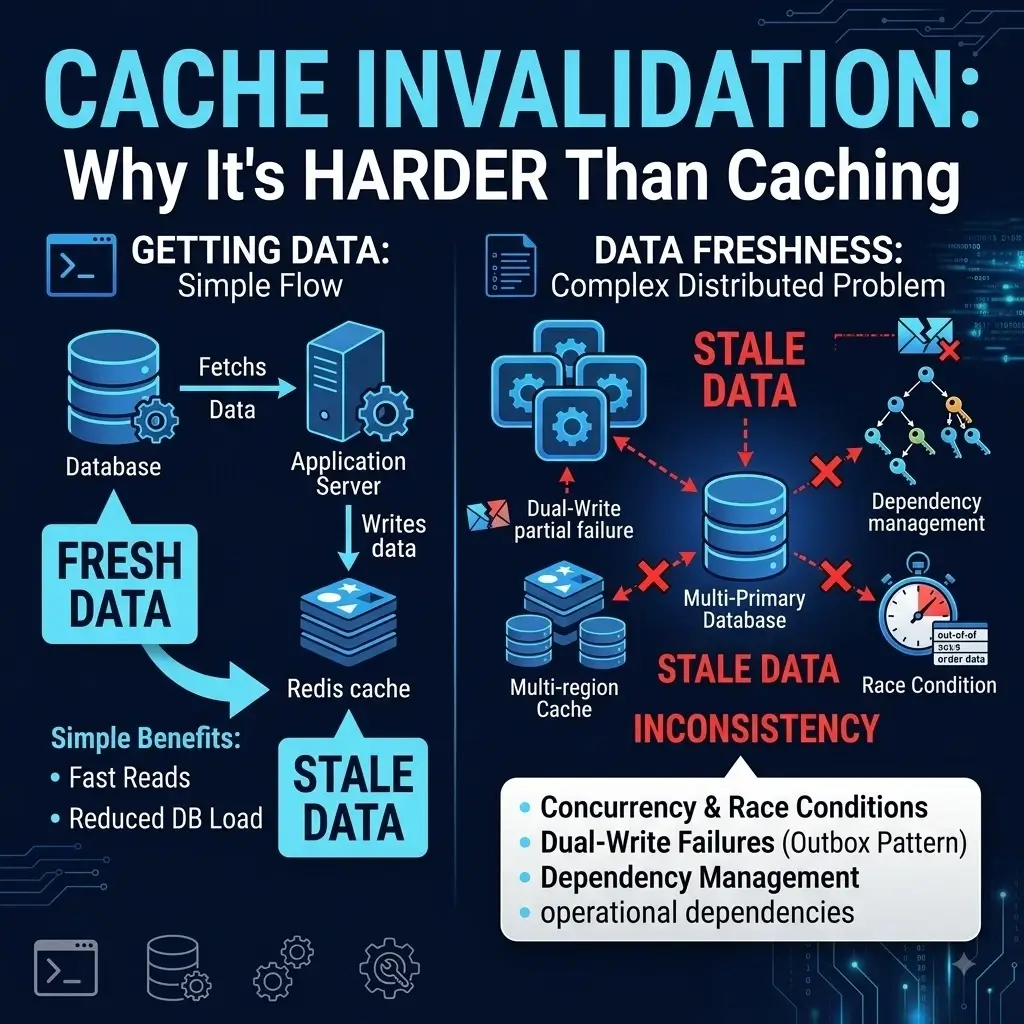
Adding a cache to a backend system is one of the most satisfying performance improvements an engineer can make. The change is often small – point your application at Redis,

A supervisor and its specialists can route perfectly and still fail, if none of them remember what happened five minutes or five sessions ago.

The meeting had been going on for forty minutes and Siddharth was starting to feel uneasy.
His company was building an internal legal assistant. Lawyers would ask it questions about case law, contract clauses, and regulatory filings. The product team had done their research. The design was solid. The retrieval pipeline was working in staging. Everything looked good.

Spend a few weeks studying System Design and you’ll start noticing a familiar cast of characters in every architecture diagram