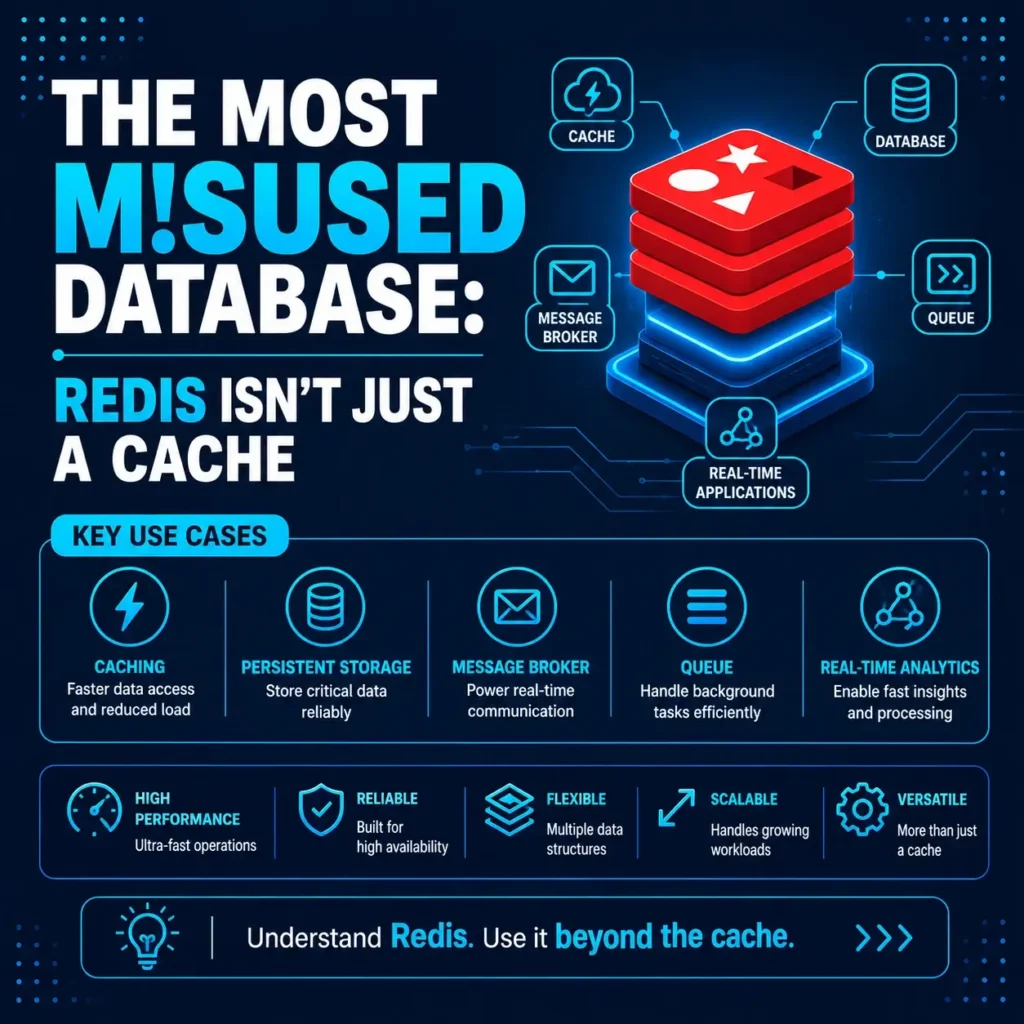
The Most Misused Database: Redis Isn’t Just a Cache
The data structure server hiding behind your caching layer – and where it quietly does its best work
The data structure server hiding behind your caching layer – and where it quietly does its best work
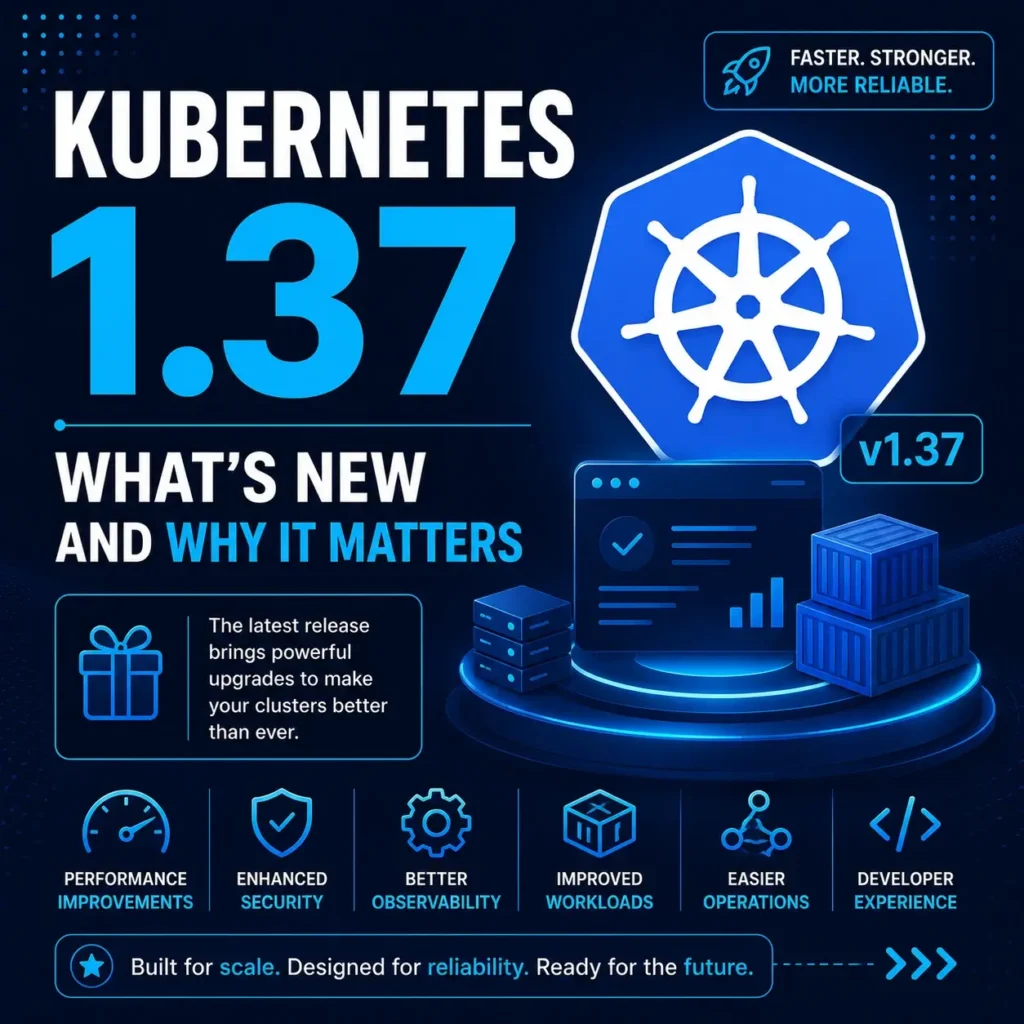
Kubernetes 1.37 represents a significant convergence of improvements built on real production experience. Learn what changed from 1.35 through 1.36 to reach this release, understand the actual breaking changes, and discover why this release matters for your infrastructure.

If you’ve ever looked at a high-level design diagram for Netflix, WhatsApp, Uber, Amazon, or any other internet-scale product, you’ve probably had the same reaction most engineers have in the beginning: everything looks wildly different.

In this hands-on AWS project, we’ll build an event-driven automation workflow using Auto Scaling Groups, Lambda, EventBridge, AWS Systems Manager (SSM) and HAProxy to automatically update backend servers whenever your infrastructure scales.

“Programs must be written for people to read, and only incidentally for machines to execute.”

A RAG-based internal chatbot for her company’s HR team. Employees could ask it anything: leave policies, payroll cycles, appraisal timelines, onboarding checklists.

Many DevOps engineers eventually reach a point where they decide to learn a programming language beyond shell scripting.

Stacks and Queues are linear data structures that control how data is accessed and processed.

The sharp sound of a PagerDuty alert suddenly cuts through the silence of your room.

If you’ve spent any time building backend applications – whether in Java, Python, Node.js, or any other language