Stacks and Queues are linear data structures that control how data is accessed and processed
- Stack → LIFO (Last In, First Out)
- Queue → FIFO (First In, First Out)
Stacks are used where the most recent item matters (undo, recursion).
Queues are used where order matters (task scheduling, requests).
If Linked Lists teaches you how data connects, Stacks and Queues teach you how data flows.
A Simple Story Before We Start
You’re using an app.
You open a screen → then another → then another.
Now you press the back button.
What happens?
You go back step by step, in reverse order.
Last opened → first closed.
That’s a Stack.
Now imagine booking a ticket.
People stand in a line.
The first person in line gets served first.
That’s a Queue.
Two completely different behaviors.
Two completely different data structures.
Both are used everywhere in systems.
What Are Stacks and Queues?
They are abstract data structures that define how elements are added and removed.
Unlike arrays or linked lists, which focus on storage, these focus on order of processing.
Stack Explained (LIFO)
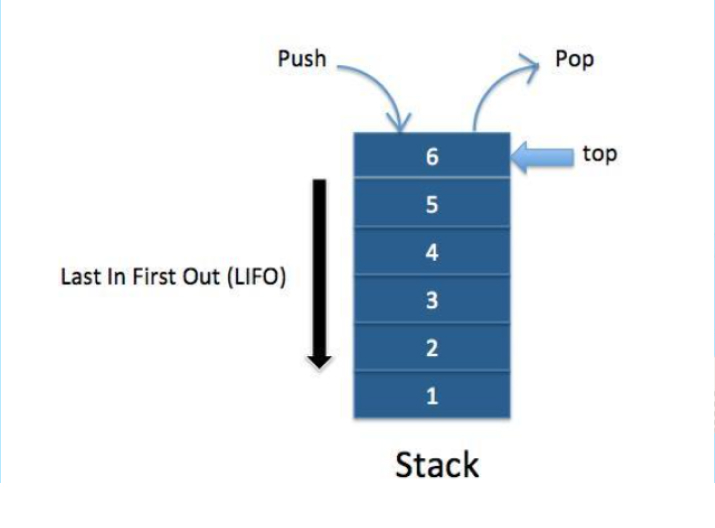
A Stack follows:
👉 Last In, First Out
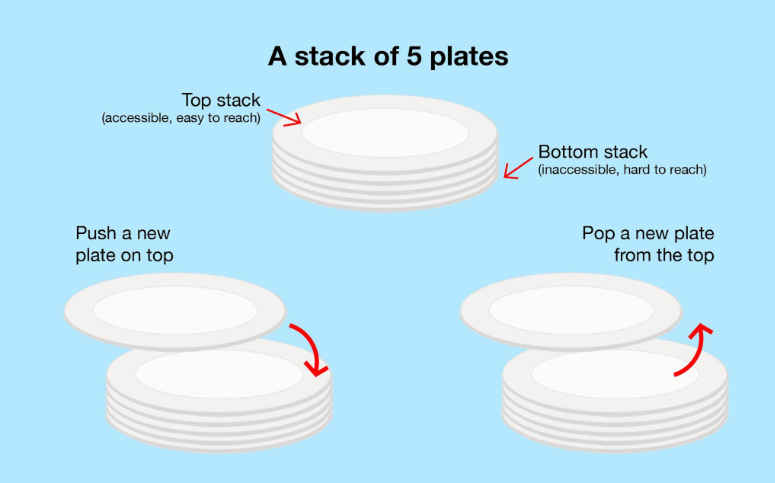
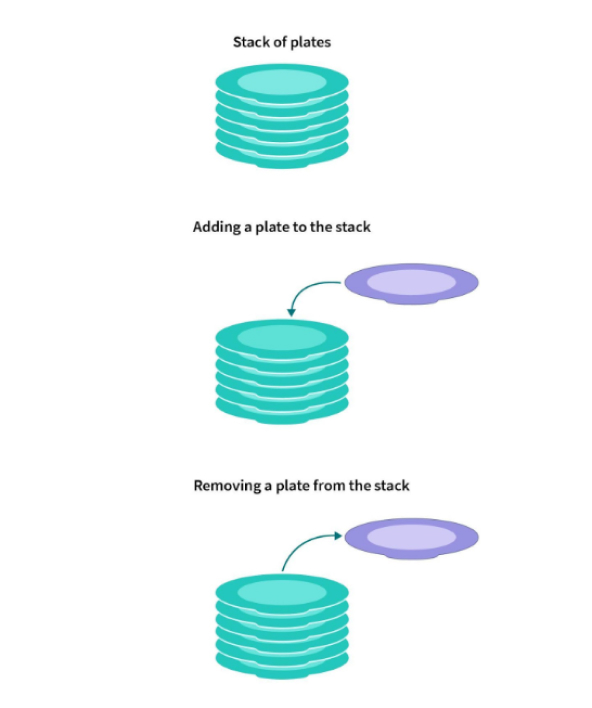
Think of stacking plates:
- Last plate placed → first one removed
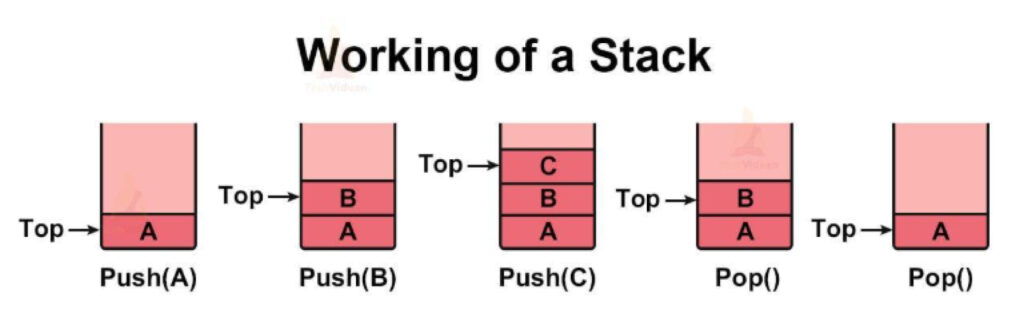
Stack Operations
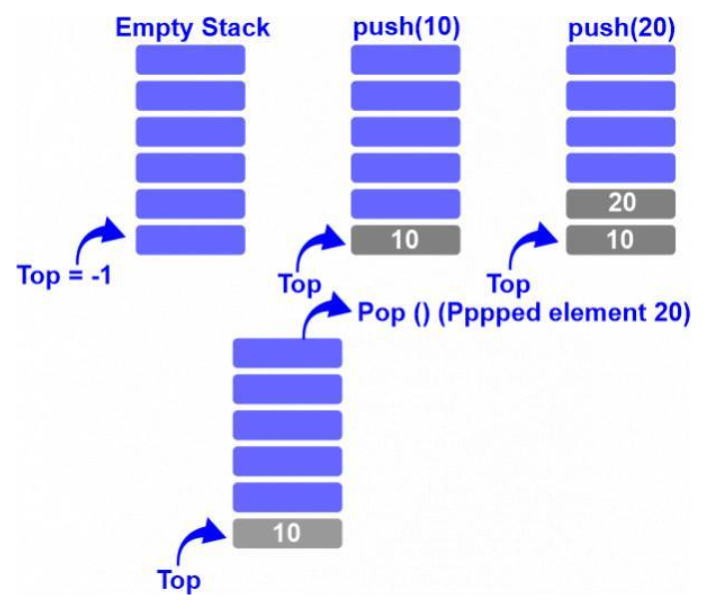
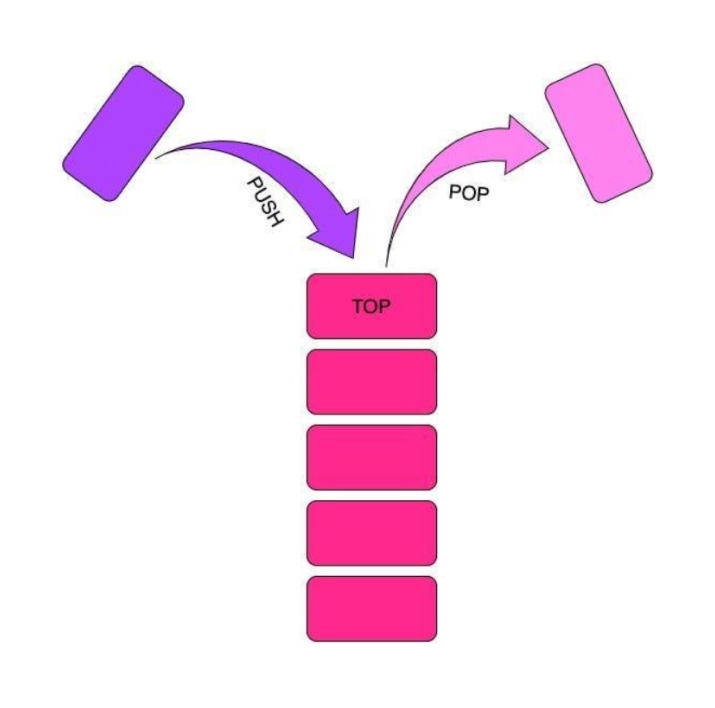
- Push → add element
- Pop → remove element
- Peek → view top element
Example Code (Java)
// Example Code (Java)
Stack<Integer> stack = new Stack<>();

stack.push(10);
stack.push(20);
stack.push(30);

stack.pop(); // removes 30
How Stack Works
Time Complexity
Operation | Complexity |
Push | O(1) |
Pop | O(1) |
Peek | O(1) |
Real-World Uses of Stack
1. Undo / Redo Systems
Every action is pushed to stack.
Undo pops the last action.
2. Browser Navigation
Back button works using stack behavior.
3. Function Calls (Call Stack)
Every function call is stored in stack memory.
4. Expression Evaluation
Used in parsing and evaluating expressions.
Queue Explained (FIFO)
A Queue follows:
👉 First In, First Out
Like a line at a ticket counter.
Queue Operations
- Enqueue → add element
- Dequeue → remove element
- Front → view first element
Example Code (Java)
Queuequeue = new LinkedList<>(); queue.add(10); queue.add(20); queue.add(30); queue.remove(); // removes 10
How Queue Works
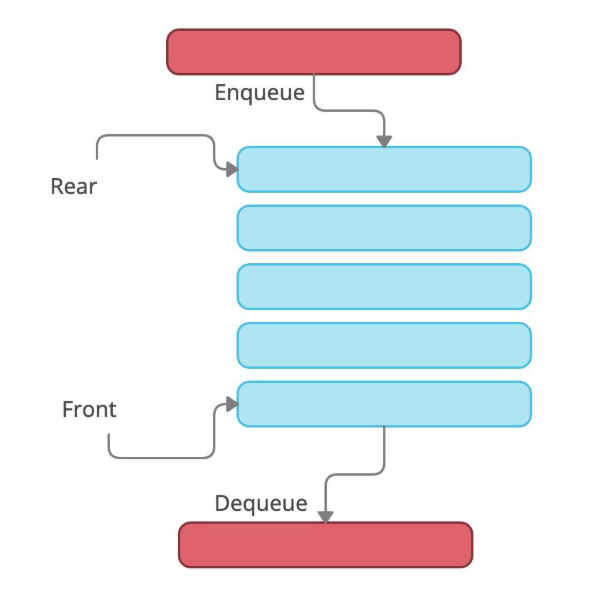
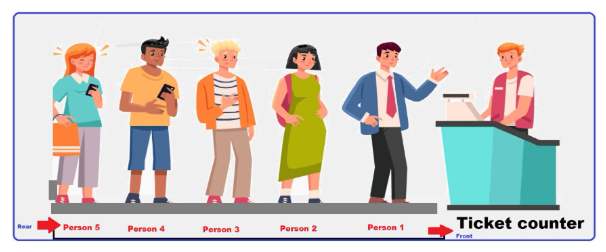
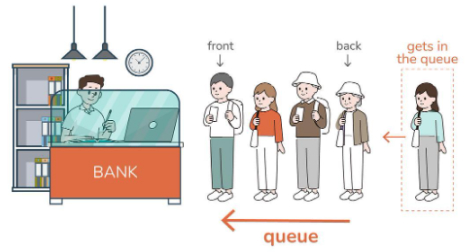
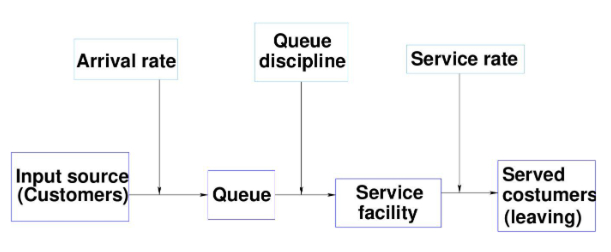
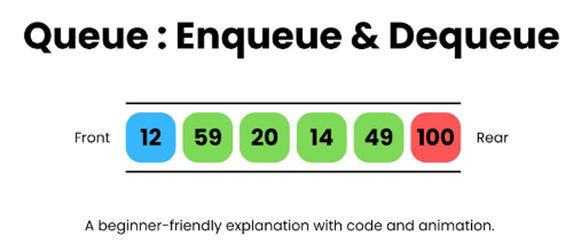
Elements are processed in the order they arrive.
Time Complexity
Operation | Complexity |
Enqueue | O(1) |
Dequeue | O(1) |
Front | O(1) |
Real-World Uses of Queue
1. Task Scheduling
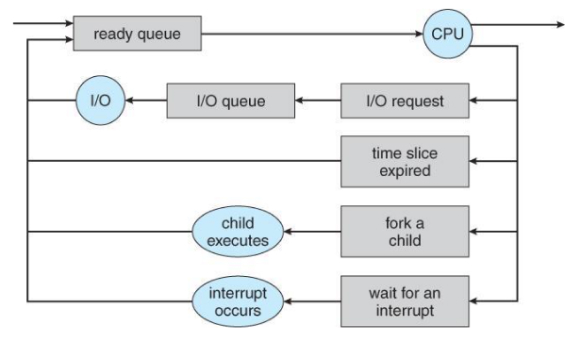
CPU processes tasks in order.
2. API Request Handling
Requests are queued and processed sequentially.
3. Print Queue
Documents are printed in order.
4. Messaging Systems
Messages are processed FIFO.
Stack vs Queue
| Feature | Stack | Queue |
| Principle | LIFO | FIFO |
| Access | Top only | Front & rear |
| Use case | Undo, recursion | Scheduling, processing |
| Order | Reverse | Sequential |
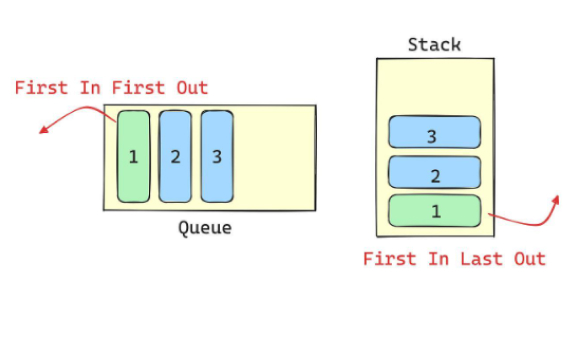
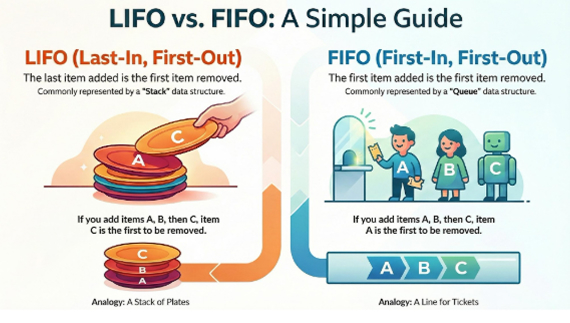
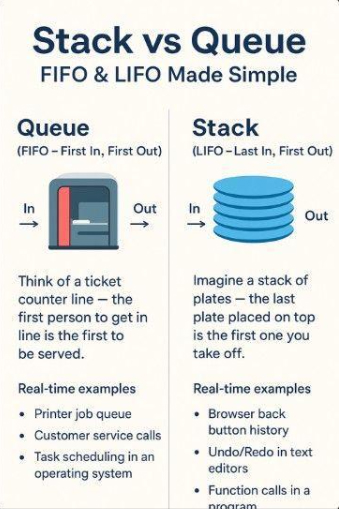
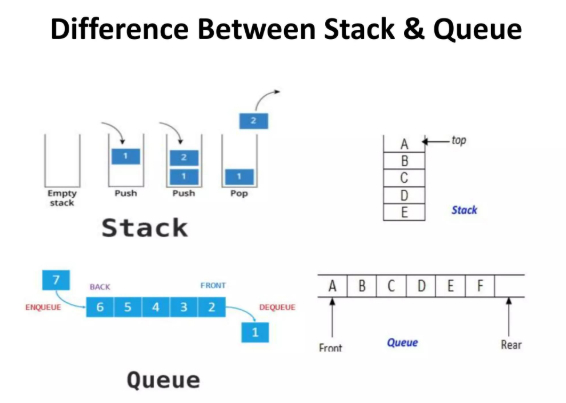
Visual Comparison
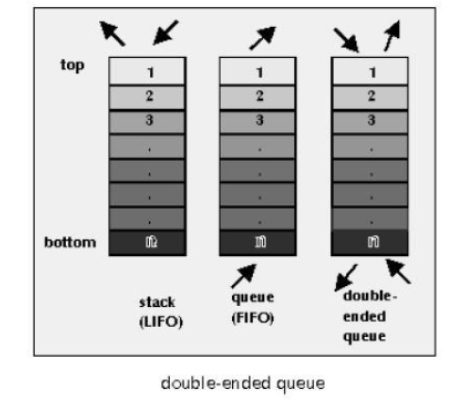
Why These Structures Matter
Stacks and Queues are not just academic concepts.
They are used in:
- operating systems
- compilers
- web browsers
- distributed systems
They define how systems process data internally.
They are used in:
Common Mistakes Beginners Make
1. Confusing LIFO and FIFO
Stack ≠ Queue
2. Trying to access middle elements
These structures restrict access intentionally.
3. Ignoring use cases
Each is designed for a specific type of problem.
A Simple Rule to Remember
- If the last action matters → use Stack
- If order matters → use Queue
Frequently Asked Questions (FAQ)
Yes. Arrays or linked lists both works.
Yes. Using two stacks.
Both have O(1) operations for basic actions.
Yes, extensively.
Final Thoughts
Stacks and Queues introduce a powerful idea:
- Not all data should be accessed freely.
- Sometimes, restricting access creates predictable and efficient systems.
- Stacks help in reversing and backtracking.
- Queues help in managing order and flow.
- Together, they form the backbone of many real-world systems.
Ready to master Data Structures and Algorithms with real-world coding examples and system-level understanding?
Join the DSA Program at CodeKerdos and learn Arrays, Linked Lists, Stacks, Queues, Trees, Graphs, and System Design through hands-on Java projects and interview-focused training.